Alerts
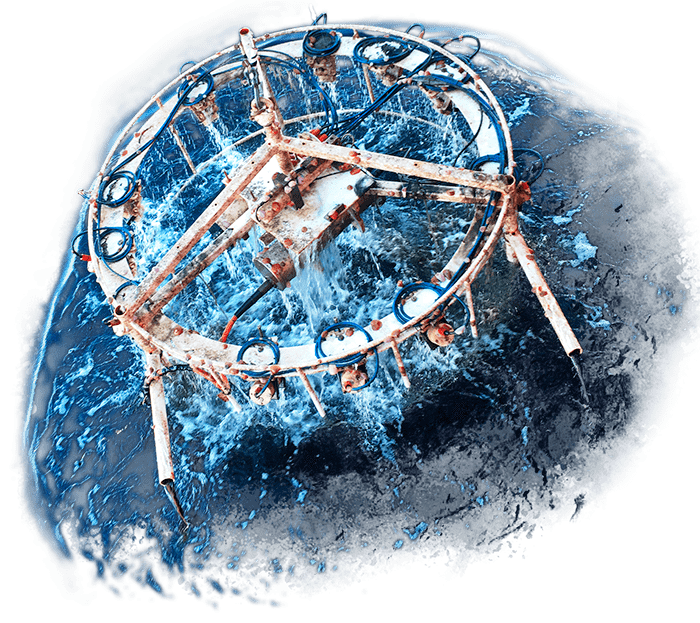
Discover the ocean.
Understand the planet.
Advancing our knowledge of the
ocean at a critical time.
What's new
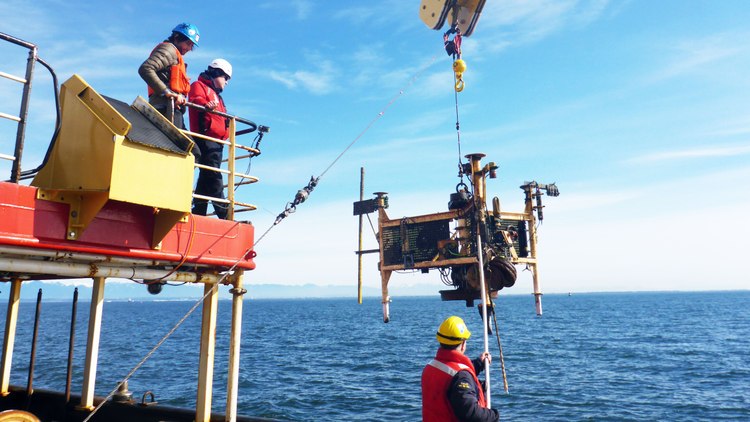
#ONCabyss Spring 2024 Expedition Recap
Story Map: Highlights from ONC's Spring 2024 Expedition

Endeavour site records the highest level of earthquake activity in 20 years
Early indications of new seafloor forming in the Northeast Pacific Ocean

Science Team
Our team of staff scientists is available to assist researchers and support their projects.

Youth Science Ambassador
Engaging & inspiring the next generation of Indigenous ocean scientists, marine resource managers & environmental stewards.

Learning
ONC works with partners to deliver ocean literacy programs for K-12, post secondary and citizen science education.
Ocean Networks Canada's world-leading ocean observatories bring data to the surface, accelerating scientific discovery and delivering solutions that support ocean-and-planet sustainability for future generations.
What We Deliver

Our deep-sea, coastal and land-based observatory infrastructures capture vital continuous data about the Pacific, Arctic and Atlantic oceans.

We support Indigenous and coastal communities’ leadership in local ocean monitoring to meet community needs.

Our data dashboards track, analyze and display key metrics from the world’s longest coastline - Canada - attracting more than 32K users.

Our technology enables advances in multidisciplinary research in oceanography, neutrino particle physics, climate impact monitoring, and more.

Our science/industry partnerships make possible services such as early tsunami warnings, safer shipping, and pioneering the safe removal of climate warming carbon dioxide.

Serving all ages from K-12 and post-secondary, our programs, resources and courses developed with Indigenous partners bring ocean science into classrooms and communities.

Our Unique Contribution
ONC’s technical capabilities enable researchers and coastal communities to access instruments remotely and receive data from anywhere on the globe. Data are collected on ocean physics, chemistry, biology and geology, supporting research on complex Earth processes in ways not previously possible. These ocean observatories generate ‘big data’ openly accessible through the Oceans 3.0 data management system.
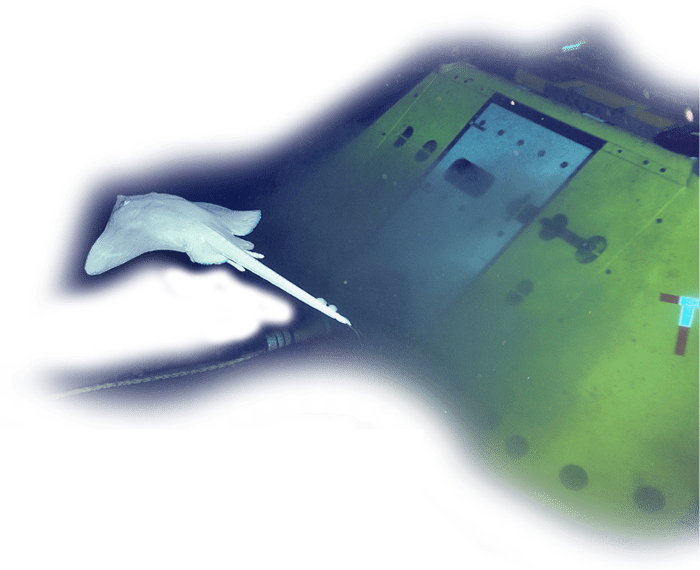
Get Involved
ONC encourages active participation in ocean science by communities, scientists, educators, students, industry, and the media.
Communities
Connecting local knowledge with ocean science.
Learn moreScientists
Scientists can browse ONC data for research purposes & connect with our staff scientists for assistance with projects.
Learn moreIndustry
Explore our ocean intelligence maritime products, maps, products and services.
Learn moreLearning
ONC works with partners to deliver ocean literacy programs for K-12, post secondary and citizen science education.
Learn moreStay up to date with ONC
Subscribe
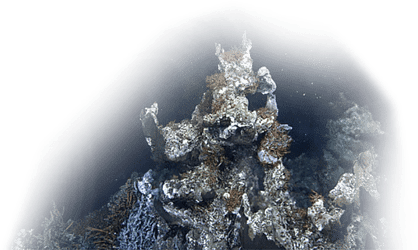
Ocean-Climate Building University of Victoria
#100, 2474 Arbutus Road, Victoria, BC, Canada, V8N 1V8
info@oceannetworks.ca+1 (250) 472-5400Marine Technology Centre University of Victoria
#106, 9865 West Saanich Road, North Saanich, BC, Canada, V8L 5Y8
info@oceannetworks.ca+1 (250) 472-5400@ 2024 Ocean Networks Canada. All rights reserved.